Skip to content
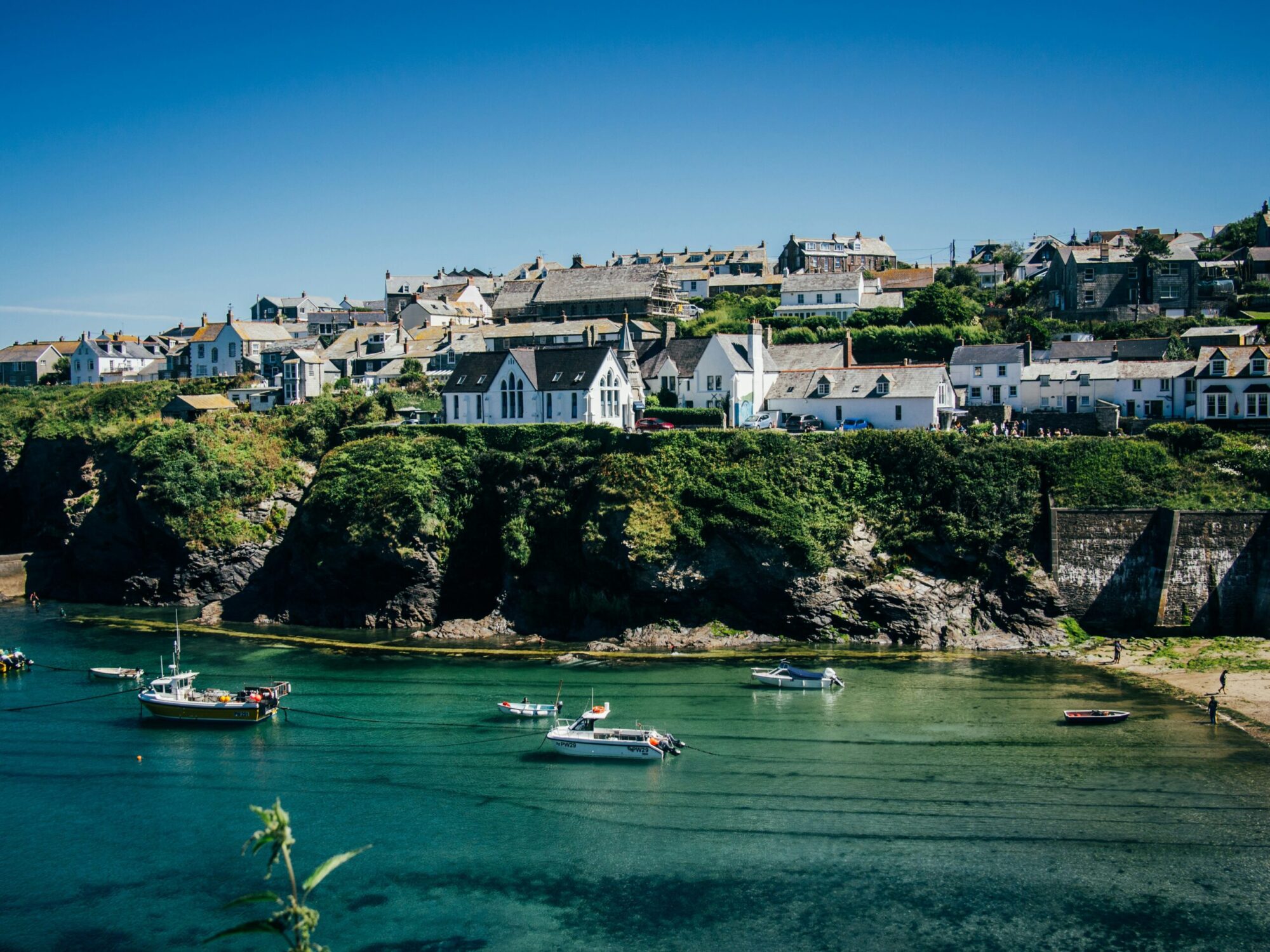
People decide on moving to Cornwall twice. Once in August, on a beach, ice cream in hand. And again in February, when the rain has been horizontal for four days and the nearest motorway is on the other side of Devon.
The second decision is the one that matters.
We have been moving people into Cornwall, around Cornwall, and occasionally back out of Cornwall for more than 50 years. That last group is the reason this guide exists. Most of them were not wrong about Cornwall. They were wrong about which Cornwall they were moving to, because the county in the holiday photos and the county in November are different places. Both are worth knowing about before the boxes are packed.
So here is the honest version: the pros and cons of living in Cornwall, from a family who have watched fifty years of newcomers get it right and wrong.
Moving to Cornwall from London (or anywhere upcountry): the geography
Cornwall is further away than you think, and longer than you think. The M5 gives up at Exeter, and from there the A30 carries you down the spine of the county, past the wind farms and the brown heritage signs, for what feels like a surprisingly long time. Crossing the Tamar is not the end of the journey. Depending on where you are headed, it is barely the middle.
This matters for two reasons. The first is moving day itself, which we will come to. The second is every day after it. The drive back upcountry for a family birthday, a football match or a work meeting is a real drive, and you will do it more often than you expect in year one and less often every year after that.
Cornwall also considers itself its own little country, and it has a point. Its own flag, its own language on the road signs, its own strong opinions about what goes on a scone first. Newcomers who treat this as a charming quirk settle in slower than the ones who understand it is the whole character of the place.
The weather, and other truths about life in Cornwall
Cornwall has a mild maritime climate, warmed by the Gulf Stream and generally warmer and sunnier than the rest of the United Kingdom. Palm trees grow in seafront gardens, spring arrives noticeably early, and gardeners get away with plants the rest of the country only sees in a greenhouse.
Winters are gentle by British standards, which means that snow is rare enough to count as an event, and outdoor life carries on through the year. Whether it’s walkers on the coast path in January or beach days that start in spring and run deep into autumn – it’s a mild escape from the classic British winters you will see elsewhere across the UK.
However, it is a peninsula in the Atlantic, so pack a decent coat for the dramatic days.
What living in Cornwall is actually like
Living in Cornwall runs to a seasonal rhythm, and the newcomers who settle fastest are the ones who plan for it. Here is what to expect, and what to do about it.
Plan your year around two Cornwalls. In summer the county fills up: the roads are busier, the beach car parks fill early, and even your everyday errands may take longer. So you will have to do what locals do: shop early, drive at off-peak hours, and learn the quieter routes to the places you use every week. In winter tourism is less busy, and plenty of residents will tell you it is the best of the year. Some seasonal businesses close for those months, so build your routine around the pubs, cafes and clubs that run all year.
Decide between town and village early. Towns like Truro give you most of what a city gives you, in miniature: schools, services and shops close together. Villages give you a close-knit community, and in return they ask you to turn up. Join something in your first month, whether that is the gig rowing club, the choir or the harbour clean-up. People who join in are absorbed within a year. People who wait to be invited are still waiting.
Check the broadband at the exact house. Not the village, the house. Speeds vary street by street, and this matters most if you are bringing your work with you. Make it a condition of the property search, not an afterthought.
Map your real distances before you commit. The hospital, the mainline station, the airport, the office you agreed to visit twice a month. West of Truro, those drives grow. Drive them at the times you would actually travel, in the season you would travel, not on a quiet Sunday in March.
Why some people regret moving to Cornwall
A few of our moves each year run the other way, back up the A30 with someone who gave Cornwall a go. And you hear the same stories often enough to notice the pattern.
The most common one is moving to the holiday rather than the county. Two good weeks in July tell you plenty about July and nothing about a wet Tuesday in January, when the attractions are shut and the sea is something you look at through a windscreen. The people who find that first winter hardest are the ones who expected the fortnight-off feeling to carry on all year.
Distance comes a close second. Grandchildren upcountry, parents getting older, friends who promised they would visit and mostly have not. It is a long drive, and video calls only carry so much weight.
Then there is the house itself. Buy on a street where half the homes are second homes and the village that hummed in August is dark by November. From the outside, in summer, a lived-in village and a holiday one look the same. Ask around before you buy, or better, rent there through a winter first. We see more regret come from this one mistake than from anything else.
Money plays its part too. The cost of living in Cornwall catches newcomers out: housing near the coast is in heavy demand, and local wages lean on tourism and small business. The people who make it work tend to bring their income with them, or have the job sorted before the moving van is booked.
And some people fight the pace instead of joining it.
None of it is inevitable. The happiest movers we meet knew all of this before they came, and came anyway.
So, is Cornwall a good place to live?
Yes. Ask the people who made the move and stayed, and most will tell you they wish they had done it sooner.
The sea stops being an occasion and becomes part of your week: a swim before work, a walk on a beach you have entirely to yourself in October. Children grow up outdoors with fresh air by the seaside. Village communities welcome newcomers who get involved, and being known by name at the shop, the school gate and the harbour is worth more than most people expect. The pace of life turns out to be the best part. By year three you will be defending it fiercely to visiting friends, and meaning it.
And there is the quiet pride of living somewhere other people save all year to visit. That never wears off.
Is it worth moving to Cornwall? How to decide
The only reliable way to answer that is to test the move before you make it.
- Visit in February. Book a week somewhere ordinary, not a resort, and live as close to a normal routine as you can. If you still want to move afterwards, that is real information.
- Rent before you buy. Six months in the area you think you want will teach you more than any amount of research, and it protects you from the second-home-street mistake.
- Sort the work first. A confirmed income that survives the move beats a plan to find something once you arrive.
- Choose your Cornwall. The north coast, the south coast, the far west and the Tamar side are different places with different weather, different crowds and different commutes. The county is not one decision, it is several.
- Talk to locals in November. The pub in winter will tell you the truth. The ice-cream queue in August will tell you what you want to hear.
When you decide to move to Cornwall
Here is where we come in. Our family has been moving people to, from and around Cornwall for over 50 years, three generations of us now. We are the biggest removals company in the county, with purpose-built removals and storage facilities in Truro and Exeter.
Fifty years teaches you things about Cornish houses that no satnav knows. Which lanes will not take a 7.5-tonne truck. Which harbour cottages need everything brought down by shuttle van. Why a doorway cut from granite two centuries ago has opinions about a king-size bed. It is why our surveyors ask which street you are moving to, not only which town, and why arranging a removal survey gets you a quote built on your actual house, not a guess.
Our teams cover the whole of Cornwall, and plenty of our work is bringing people in from the other end of the country: long-distance moves with one end in the South West are exactly what we are set up for. As long as your move starts or finishes in Cornwall, Devon or Somerset, we can help.
Ready for the second decision?
If February-you and August-you agree, Cornwall is a wonderful place to land, and we would know: our family has never left. Get an instant guide price online, or arrange a removal survey to get your quote. You can walk a surveyor through your home by video from wherever in the country you are starting.