Skip to content
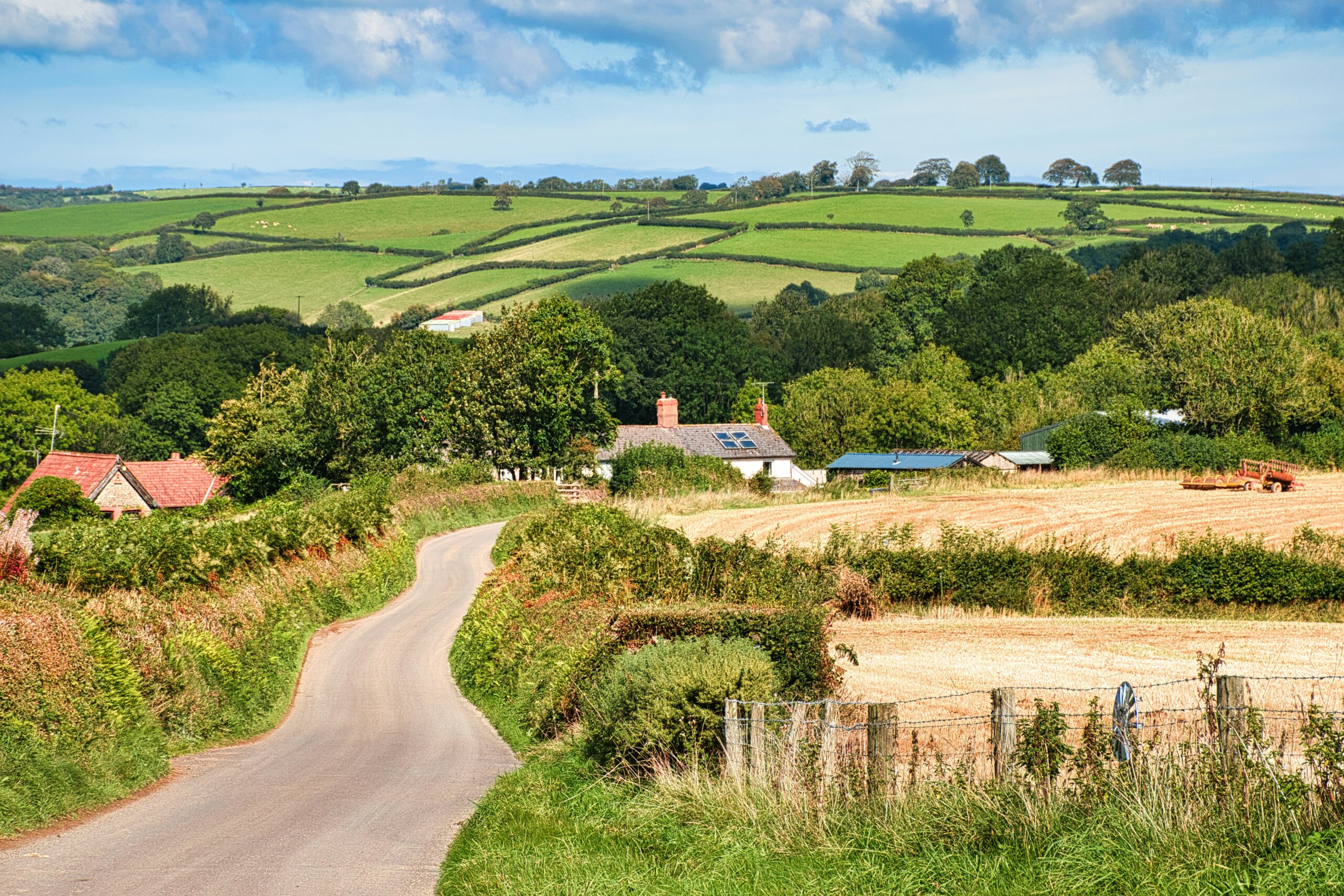
Devon sits near the top of most lists of the best places to retire in the UK, and the people who write those lists have usually only visited. As locals who have been moving people into Devon for more than 50 years, our family business has seen the beauty of Devon through every season and life moment. So, it’s only natural that we pass on our wisdom to the next wave of new locals looking to settle down and retire in Devon. In this guide, we will cover everything you need to know about retirement in Devon including; where people actually settle, what day-to-day life costs, what the retirement housing options look like, and how to manage the move itself.
Is Devon a good place to retire?
Devon is one of the most idyllic counties in the UK, that is fast becoming one of the most popular places to settle down and retire. Beyond it’s natural coastal charm and relaxed lifestyle away from the bustling UK cities, there are many reasons why locals love living here. These are just a few examples:
- The shape of the county
Devon is one of the few places in England with two separate coastlines: a gentler south coast of sheltered seaside towns and estuaries, a wilder north coast facing the Atlantic, and Dartmoor in between. Whatever you want retirement to look like, from a flat seafront promenade to a moorland village with a strong pub, Devon has just the right version of it.
- The climate
Devon has a mild maritime climate, generally warmer than most of the UK, with gentle winters and an early spring. Gardens grow nearly year round, the coast path is walkable in January, and sea swimmers stay in the water long after visitors assume the season is over.
- Practicality that matters more at 68 than it did at 38.
Exeter gives the county a proper hub: a major hospital, an airport, mainline trains to London, and the end of the M5. Most of the popular retirement towns sit within comfortable reach of it. And the same things that make Devon a good place to live make it a better place to retire! Towns built at walking scale, communities that run on volunteers and are openly welcoming to newcomers with time to give, and let’s not forget the pace of life that stops feeling slow and starts feeling sane.
- Safety and reputation
You can tell a lot about a place by its reputation and the general feel of the area. Devon is one of the safer and calmer corners of the country to grow older in. With friendly neighbours and local community hubs, it’s a place that will make you instantly feel at home and welcomed.
The best places in Devon to retire
There is no single best place to retire in Devon, because retirements differ. It depends on the retirement you are planning, so think in types rather than town names.
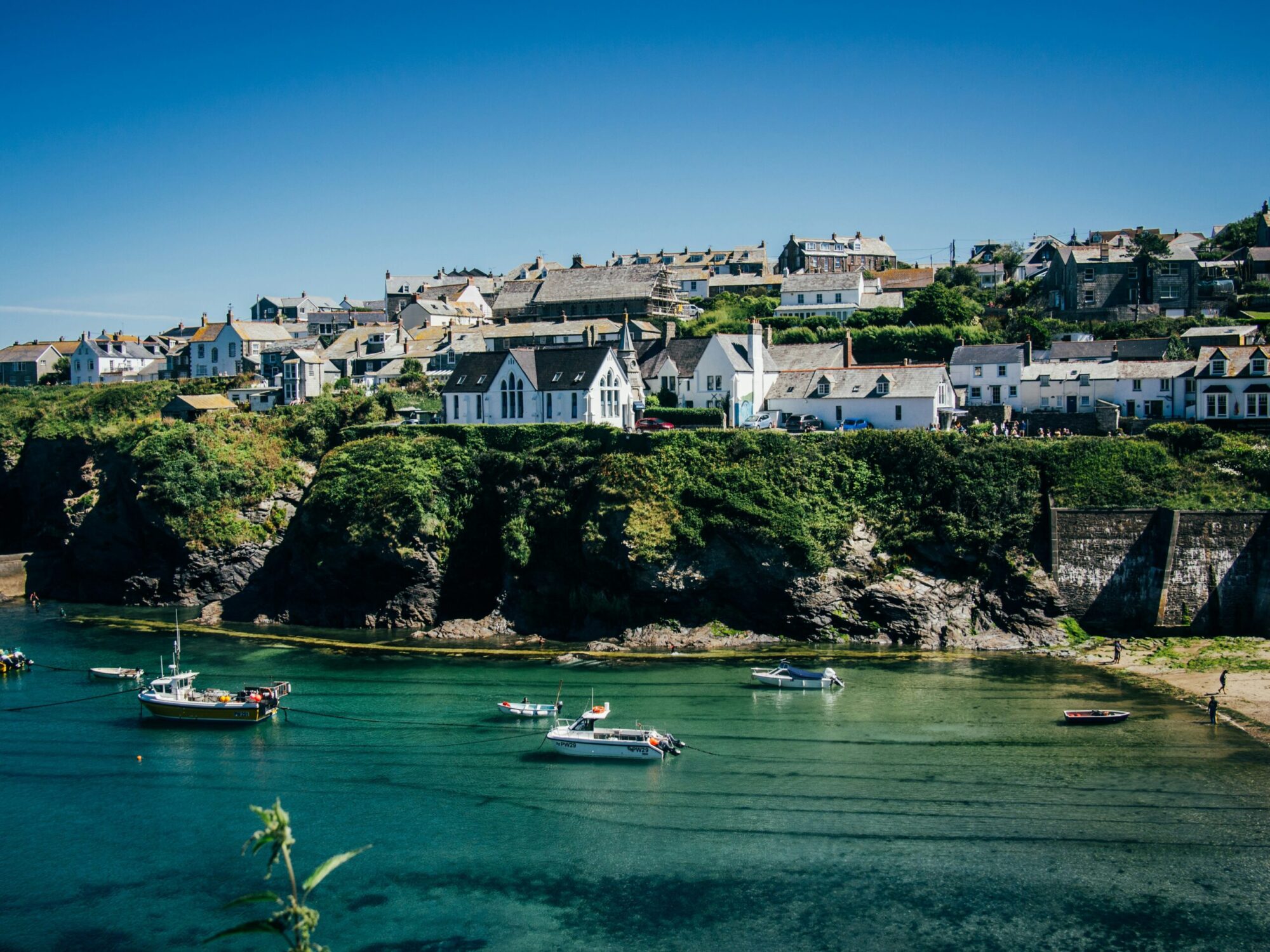
The classic seaside towns. Sidmouth, Exmouth, Teignmouth, Dawlish. Featuring flat seafronts for daily walks, proper high streets, doctors and dentists in town, and a large community of people who made exactly the same move a few years before you. The trade-off is summer crowds and winter quiet, in that order.
The market towns. Totnes, Tavistock, Honiton, and their kind. Life runs all year round, the high street does not hibernate in November, and you are a short drive from the coast rather than on it. It’s often the better choice for a retirement built around clubs, markets and neighbours rather than the sea view itself.
Exeter and its orbit. Topsham and the villages around the city give you the hospital, the station and the airport within half an hour, with city restaurants and theatre when you want them. The sensible choice if one of you has ongoing medical appointments, or if family will be flying in.
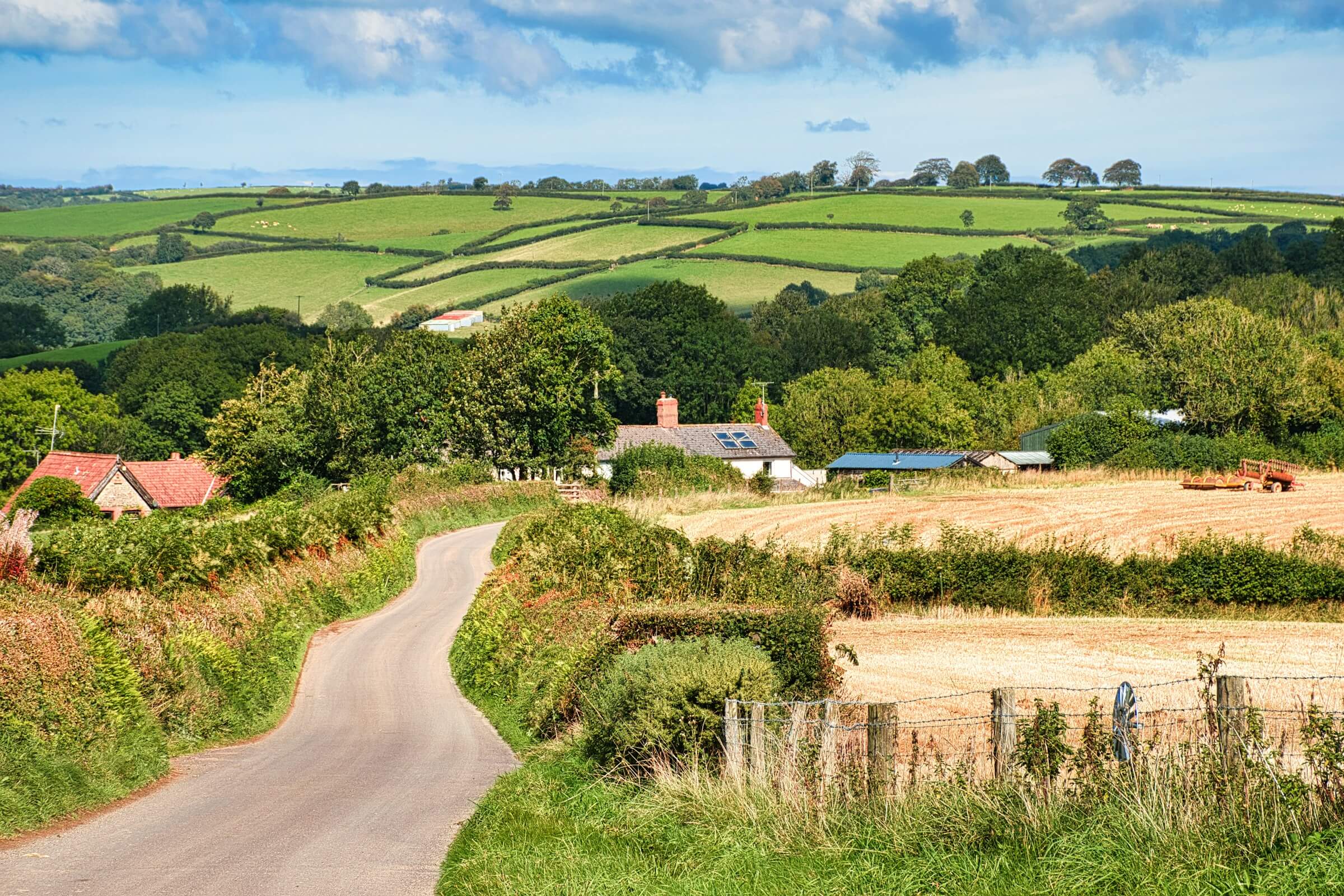
North Devon. Barnstaple and the villages along that coast offer the most dramatic scenery and the quietest lanes, further from the motorway and the mainline. Best suited to retirees who want remoteness as a feature, not a cost.
Whichever type calls to you, visit in February before you commit. A town that suits you in a wet half-term week will delight you in June. The reverse is not reliable.
Is Devon expensive to live in?
The honest answer: it depends almost entirely on the house, because everyday life here is not what strains a retirement budget.
Property is where Devon asks the most. The famous coastal and estuary towns carry strong demand, and a sea view adds to any asking figure. Move a few miles inland, or to a market town rather than a resort town, and the same money goes noticeably further. This single choice shapes the whole budget, which is one more argument for renting in your chosen town for six months before buying.
Beyond the house, the cost of living in Devon runs close to what most of the country pays, with a few local quirks: you will drive more than a city retiree and should budget for the car honestly, heating an older cottage costs more than heating a modern flat, and the farm shops will quietly ruin supermarket vegetables for you (in the best way possible). None of it tends to surprise people. The house does, so settle that decision first and weigh up what budget you’re working with.
Homes, Bungalows & Retirement Villages in Devon
One thing that confuses almost everyone: “retirement homes in Devon” gets used to mean everything from an ordinary bungalow to a care home. Before you search, it helps to know which of these you actually mean.
- An ordinary downsize. A smaller house, bungalow or apartment with no age restriction, bought or rented on the open market. Most Devon retirements look like this. Full independence, no service charges, and the whole county to choose from.
- Retirement apartments and bungalows. Age-restricted developments, usually over-55 or over-60, owned or rented, with a manager and maintained grounds. There are many great benefits to this arrangement including lock-up-and-leave ease and built-in neighbours who will become your community. We recommend asking early about service charges, event fees on resale, and the rules on pets and guests; the answers vary widely between developments.
- Retirement villages in Devon. Larger communities designed for independent living, with shared facilities and, in some, care support that can step up if your needs change. The strongest option for planning two decades ahead rather than five years.
- Renting in retirement. Retirement properties to rent in Devon are easier to find than most people expect, and renting deserves more respect than it gets. It frees the value of a family home, lets you test a town properly, and makes the next move light. Plenty of our retired customers rent for a year by the sea before buying inland, and tell us it was the best decision of the whole process.
We move people into all four types of accommodation. However, the moves themselves can vary based on the requirements. These include moving considerations such as access, lifts and what fits, which is exactly what a removal survey settles before it becomes a quote.
How to Downsize: the real work of a retirement move
The move itself is rarely the hard part of retiring to Devon. The hard part is that most retirement moves are downsizing moves, and downsizing a house you have lived in for thirty years is an emotional job wearing a practical disguise. Here’s what helps:
- Start with the furniture, not the boxes. Measure the rooms you are moving into and decide what is coming while everything is still on walls and under windows. A three-bedroom house does not fit into a two-bedroom bungalow, and deciding that in advance beats discovering it on the day.
- Give the sort-out weeks, not a weekend. Family first, then charity, then the tip, in that order, with time between rounds. The second pass is always easier than the first.
- Let the paperwork, photographs and the loft be their own project. They take longer than the rest of the house combined, and they are the part worth doing slowly.
- Take the packing help. A part-packing service for the kitchen, the glassware and the books removes the heaviest week of the job. Tell the surveyor what you want packed for you when you arrange your removal survey and quote, and it is all priced into the same visit.
- Use your flexibility. Retirement is the one move in life where the date can suit you rather than an employer. Midweek dates book more easily, and an unhurried move is a calmer one.
The moving day part
Here is where we come in. Our family has been moving people to, from and around Devon for over 50 years, three generations of us now. We are one of the biggest removals companies in Devon, with purpose-built removals and storage facilities in Exeter and Truro.
Two names, one firm. Lanes is the family name on the trucks. Britannia is the national network we joined years ago, which is where the accreditation and the UK-wide support come from, and we are members of the British Association of Removers and SSA UK.
That national reach matters for retirement moves in particular, because so many of them start somewhere upcountry: the Midlands semi swapped for an Exmouth apartment, the London terrace for a Totnes cottage. Long-distance moves with one end in the South West are exactly what we are set up for, and our teams cover the whole of Devon. Both ends of your move matter. As long as one is in Cornwall, Devon or Somerset, we can help.
Ready to plan it properly?
Three ways to put a number on the move, in whichever order suits.
- Get an instant guide price online for an early idea.
- When you are closer, arrange a removal survey to get your quote: walk a surveyor through your home by video, or;
- Have a traditional home visit and do it over a cup of tea.
Tell us it is a retirement move and whether you need some support with downsizing. From there, we can plan the whole job around the life you are moving towards, not only the one you are packing up. We even offer trusted local Devon storage units so you don’t have to part ways with all your favourite belongings during the move. Get in touch today to get moving!