Skip to content
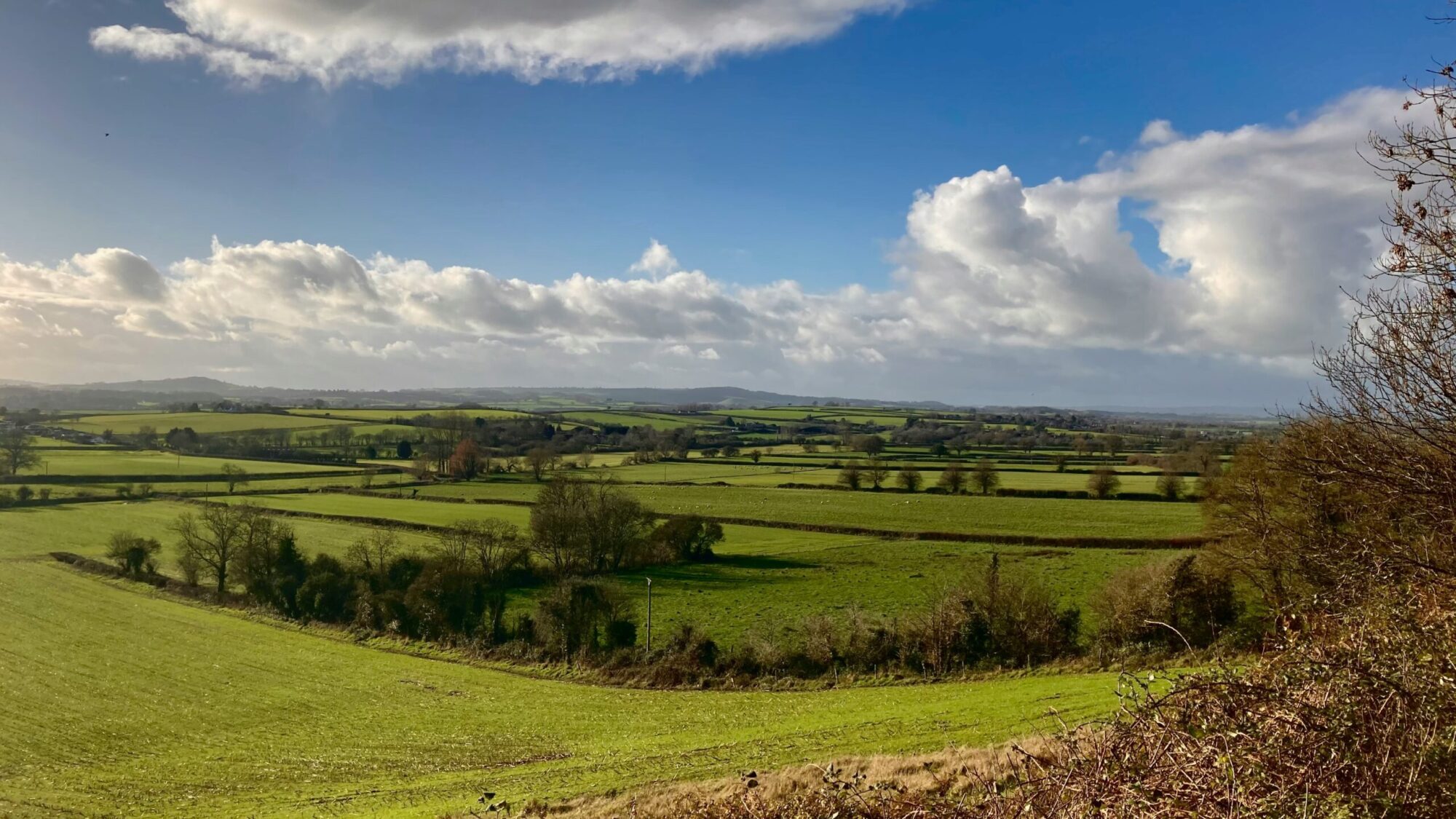
Ask the internet about the best places to live in Somerset and you will get the same five names and a photograph of Cheddar Gorge. Fair enough, as far as it goes. But we have spent more than 50 years carrying furniture into Somerset homes, from flats above Frome’s market square to farmhouses out on the Levels, and the county we know is bigger, more varied and more interesting than the listicles suggest.
So here is the mover’s version: where people settle, what suits whom, what it costs, and what living in Somerset is actually like once the boxes are unpacked.
Is Somerset a nice place to live?
Yes, and it is usually the quiet contentment kind of nice rather than the show-off kind.
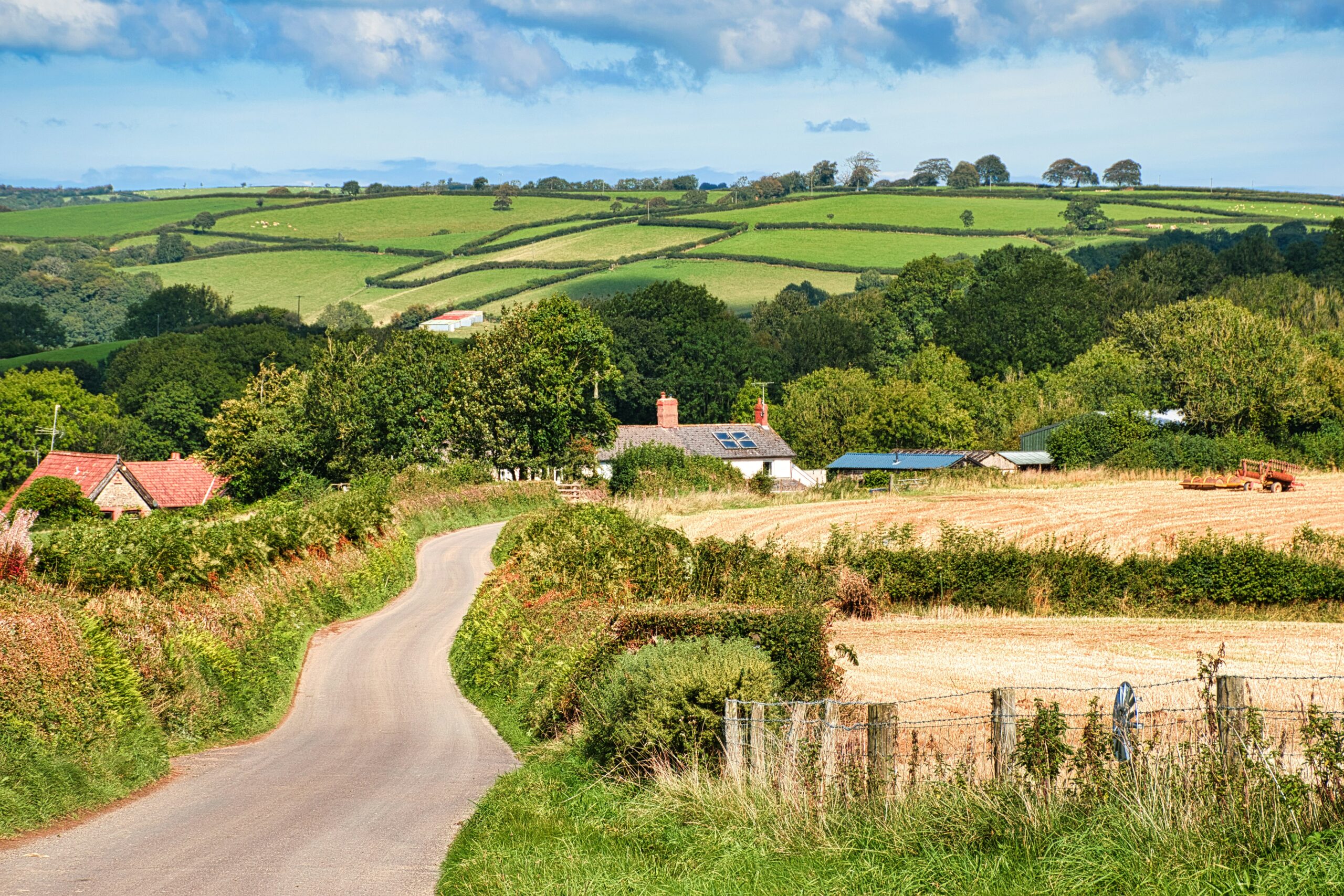
Somerset is the South West without the queue. It has proper hills in the Mendips and the Quantocks, the strange, beautiful flatness of the Levels, a coastline, England’s smallest city, and more good cider than any county strictly needs. What it does not have is the holiday-season crush of the counties further west. The visitors who do come are mostly headed to Glastonbury, Cheddar or the coast, which leaves the market towns getting on with ordinary life all year round.
It is also better connected than its rural reputation suggests. The M5 runs up its western side, trains from Taunton and Castle Cary reach London in under two hours, and the top of the county is effectively commuter country for Bristol and Bath. People who want countryside without cutting the cord to a city find Somerset answers the question nicely.
The best places to live in Somerset, town by town
There is no single best place to live in Somerset, only the best place for the life you have in mind. The best towns in Somerset sort themselves fairly neatly.
- For services and connections: Taunton. The county town, and the practical choice. A mainline station with fast trains to Paddington, the M5 on the doorstep, the hospital, the shops, and county cricket at the Cooper Associates Ground. If you want everything reachable without a second car, start here.
- For character and a crowd: Frome. The creative one. An independent high street that has resisted the clone-town fate, a famous monthly market, and a strong incomer community, many of them leaving London for the South West or arriving from Bristol. Lively, slightly contrary, much loved by the people who choose it.
- For smallness done beautifully: Wells. England’s smallest city. A cathedral, a twice-weekly market, and everything within a ten-minute walk. Popular with people trading a big-town life for a gentler one without giving up a high street.
- For the fashionable village-town life: Bruton. The answer to the “poshest village in Somerset” question people keep typing into Google. Galleries, restaurants with reputations, and a mainline station improbably close. Small, pretty and in demand, and it knows it.
- For value and employment: Yeovil and Bridgwater. The working towns, and the honest answer for many movers. More house for the money than anywhere fashionable, real jobs on the doorstep, and quick roads to everything else. Our guide to the most affordable towns in Somerset covers this end of the market properly.
- For Bristol commuters: Clevedon and Portishead. North Somerset’s coastal pair. Victorian seafronts, marina developments, and Bristol within half an hour on a good day. As close as Somerset gets to suburb-by-the-sea.
- For seaside retirement: Minehead, Burnham-on-Sea and Weston-super-Mare. Flat promenades, bowls clubs, and a large community of people who made the same move a few years earlier. Minehead adds Exmoor on the doorstep; Weston adds the most amenities and the best transport links of the three, and our local’s guide to settling into life in Weston-super-Mare covers it properly.
On safety, since it is one of the questions people ask most: Somerset’s towns are, by reputation and feel, among the calmer places in the country to live, and the small market towns especially so. Visit on an ordinary weekday evening and judge for yourself, which is better evidence than any ranking.
What are the best villages in Somerset (and the prettiest)?
The village question deserves its own answer, because Somerset villages differ more than their postcards admit.
The prettiest villages in Somerset tend to cluster around the Mendips and the old stone belt: Mells near Frome, with its medieval street and famous Daffodil Day; Croscombe and Wedmore, lived-in and handsome; Montacute in the south, golden hamstone around a National Trust house; Dunster on the Exmoor edge, which is so picturesque it has a castle and a working yarn market. Nicest is a different question from prettiest, and the nicest village is usually the one with a school, a shop, a pub in community hands and a noticeboard full of actual events. Plenty of Somerset villages still have all four.
Two honest notes from people who carry furniture into these villages for a living. First, the prettier the village, the older the doorways: hamstone cottages and listed buildings ask for careful, professional packing, smaller vehicles and sometimes a patient second trip, which is exactly the kind of thing a removal survey sorts out before it becomes a quote. Second, some low-lying villages on the Levels sit wet in winter. It is part of the landscape’s character, but check the flood maps and ask the neighbours before you buy, not after.
What living in Somerset is actually like
Day to day, living in Somerset runs to a calendar all of its own.
Autumn belongs to the carnivals. The illuminated carnival circuit, with Bridgwater’s as its famous centrepiece, rolls through the county’s towns in November: a hundred-plus light-covered carts, whole communities involved, and nothing else in England quite like it. Newcomers tend to go once out of curiosity and then every year after that.
Winter is quiet, green and damp. The Levels do their annual impression of an inland sea in the wettest weeks, the Mendips get the frost, and the pubs earn their keep. Summer brings the festival: for one week a year the roads around Pilton carry Glastonbury’s traffic, locals plan around it with practised ease, and the county otherwise stays far saner than the tourist South West. Cider season runs through it all, and buying apples juice from the farm gate stops feeling like a novelty surprisingly fast.
The practical texture is the same as any rural county, so plan for it: you will drive more than a city dweller, the best broadband is street-by-street rather than town-by-town, and the big-ticket services concentrate in Taunton, Yeovil and across the border in Bristol and Bath. Pick your town with your real weekly routine in mind, not your holiday one.
Is Somerset expensive to live in?
Less than its fashionable corners suggest, and this is one of Somerset’s quiet advantages over the counties either side of it.
The pattern is simple; demand concentrates where the trains are fast and the lifestyle press has visited. Bruton, Frome, Wells and the Bath fringe carry the strongest demand, and prices reflect it. Head south and west, to Yeovil, Chard, Bridgwater, Wellington or Burnham, and the same money buys noticeably more houses. Everyday costs sit close to the national ordinary, with the usual rural additions of car miles and older-house heating. The house choice is what moves the budget, so make it with open eyes, and rent for six months first if you are unsure which Somerset is yours.
Moving to Somerset: how to do it well
When the decision is made, the move itself rewards a little planning, and our moving house checklist covers the full timeline. The short version:
- Shortlist by weekday, not weekend. Visit your two or three candidate towns on an ordinary Tuesday in winter. The one that still appeals is the answer.
- Get a real number early. Get an instant guide price online, then arrange a removal survey to get your quote: by video from wherever you currently live, or in person. The surveyor will also flag the practical things, like access at a listed cottage or parking on a market-day high street.
- Book ahead of the seasonal rush. New-year moves get planned over Christmas, and the good dates go first; our guide to the best and worst times of year to move in the South West explains the pattern. If you are aiming for early 2027, the booking is worth making now.
- Let the crew do the heavy thinking. Our teams have moved people into Somerset’s market squares, hilltop villages and Levels farmhouses for three generations. Narrow lanes, hamstone doorways and long farm drives are a Tuesday, not a crisis.
Here is where we should introduce ourselves properly. Britannia Lanes is a family owned and operated removals company, third generation, 50+ years in the South West, with purpose-built removals and storage facilities in Truro and Exeter. Lanes is the family name; Britannia is the national membership that backs us, a network of vetted removal firms held to one shared standard across the UK, and we are members of the British Association of Removers and SSA UK. Our teams cover the whole of Somerset, long-distance moves with one end in the South West are exactly what we are set up for, and both ends of your move matter: as long as one is in Cornwall, Devon or Somerset, we can help.
Ready to find your Somerset?
Whether it is a Frome terrace, a Wells cottage or a bungalow a flat walk from the Burnham seafront, the move is the easy part to get right. Arrange a removal survey to get your quote, tell the surveyor where you are heading, and we will plan the day around the house you have chosen, lanes, listed doorways and all.